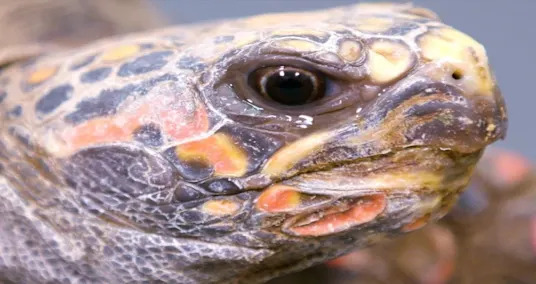
The radiated tortoise is one of the most striking reptiles on Earth, yet it is now facing a serious threat to its survival. Found only in the dry southern forests of Madagascar, this species has experienced a dramatic population decline over the past decade. Experts estimate that its numbers have dropped by nearly half, raising urgent concerns among conservationists. Known for its beautiful shell with bright yellow star patterns, the radiated tortoise is both visually unique and biologically remarkable. Its domed shell is not just protective but also sensitive, containing nerves and blood vessels that allow it to feel touch. These tortoises are also known for their exceptional longevity, with some individuals living well beyond a century. One recorded tortoise even reached an estimated age of 188 years, highlighting the species' long life cycle and slow reproduction rate. However, these same traits also make recovery from population loss extremely difficult, increasing the risk of extinction if current trends continue.
The primary drivers behind the decline of the radiated tortoise are human activities, particularly hunting and illegal trade. In parts of Madagascar, the tortoise is hunted for its meat, which is considered a delicacy despite legal protections. At the same time, its beautifully patterned shell has made it highly desirable in the illegal pet market. Conservation groups estimate that hundreds of thousands of these tortoises are removed from the wild each year, a rate that the population cannot sustain. The combination of poaching and trafficking has devastated natural populations and disrupted ecosystems where the species plays an important role. Without immediate intervention, experts warn that the radiated tortoise could face extinction within the next two decades. Conservation efforts are underway, focusing on habitat protection, stricter law enforcement, and raising awareness about the consequences of wildlife exploitation. The story of the radiated tortoise serves as a powerful reminder of how quickly human actions can threaten even the most resilient species. Protecting it will require global attention and long term commitment.
latest_posts
- 1
 The Most Astonishing Arising Advancements to Watch
- 2Vote In favor of Feasible Way You Prescribe to Shop for Garments
- 3ACA subsidies latest: Making sense of what's happening with health care after Republicans revolt, forcing a vote on funding extension
- 4Explora Journeys becomes latest cruise line to be impacted by Middle East war
- 5The Appearance of Experience: Embracing the Reduced Portage Horse




- Vote in favor of Your #1 Home Exercise Gear: Execution and Comfort Matter
- Police arrest 18 as anti-war protests spread across Tel Aviv, Haifa, Jerusalem
- A hospital discharged a woman in labor. This lawmaker wants change.
- Instructions to Utilize Your Brain science Certification to Work on Corporate Culture
- Was it a stone tool or just a rock? An archaeologist explains how scientists can tell the difference
- The cheap health insurance promoted by Trump officials has this catch
- Two Endangered Bengal Tiger Cubs Die Days Apart at Zoo After Contracting Virus
- Who is Artemis? Meet the Greek goddess who inspired NASA's return to the moon
- Russian strikes on Ukraine kill 5 people and wound 30 more