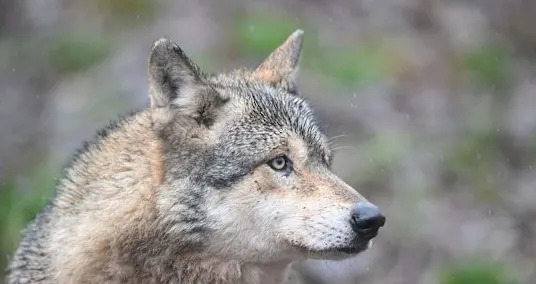
A wolf has bitten a human in Germany for the first time since the species returned to the country, authorities said on Tuesday.
The incident on Monday saw a woman injured near an IKEA store in the northern city of Hamburg.
Officers captured the animal later in the evening near the Binnenalster pier in the city centre, pulling it from the water using a snare, a police spokesman said.
"There has not been a case like this since the repopulation [of wolves] in 1998," a spokeswoman for the Federal Agency for Nature Conservation told dpa.
The wolf was considered extinct in Germany for around 150 years, but began repopulating the country from Poland around the turn of the century. The process was natural and not a purposeful reintroduction.
Today, an estimated 1,600 wolves roam the forests of several northern German states, but experts warn that their growing number means encounters with humans are becoming more likely.
Klaus Hackländer, a wolf expert at the German Wildlife Foundation, said it was realistic that the animal that bit the woman in Hamburg was indeed a wolf.
"The likelihood of a wolf venturing into a settlement or even a city is high due to the large number of wolves we now have," he added.
The growing wolf population has also posed problems for farmers, leading the Bundestag - Germany's lower house of parliament - to pass a bill allowing wolves to be shot in certain conditions earlier this month.
The bill was passed in the upper house, the Bundesrat, on Friday.




 Father and son spending Christmas together after health scares
- Manual for Financial plan Agreeable PC
- Figure out How to Pick the Right Dental specialist for Your Dental Inserts
- World's oldest known tortoise still very much alive despite rumor to the contrary
- Opening Monetary Information: Your Exhaustive Manual for Finding out about Individual budget
- Europe’s EV Boom Was Real in 2025. The Real Fight Starts In 2026
- Investigating the Advantages of a Bank account: A Complete Aide
- Relentless rise in carbon pollution from fossil fuels slightly dampens climate-fighting hopes
- Quantum Computing’s Next Major Breakthroughs Could Come From Australia